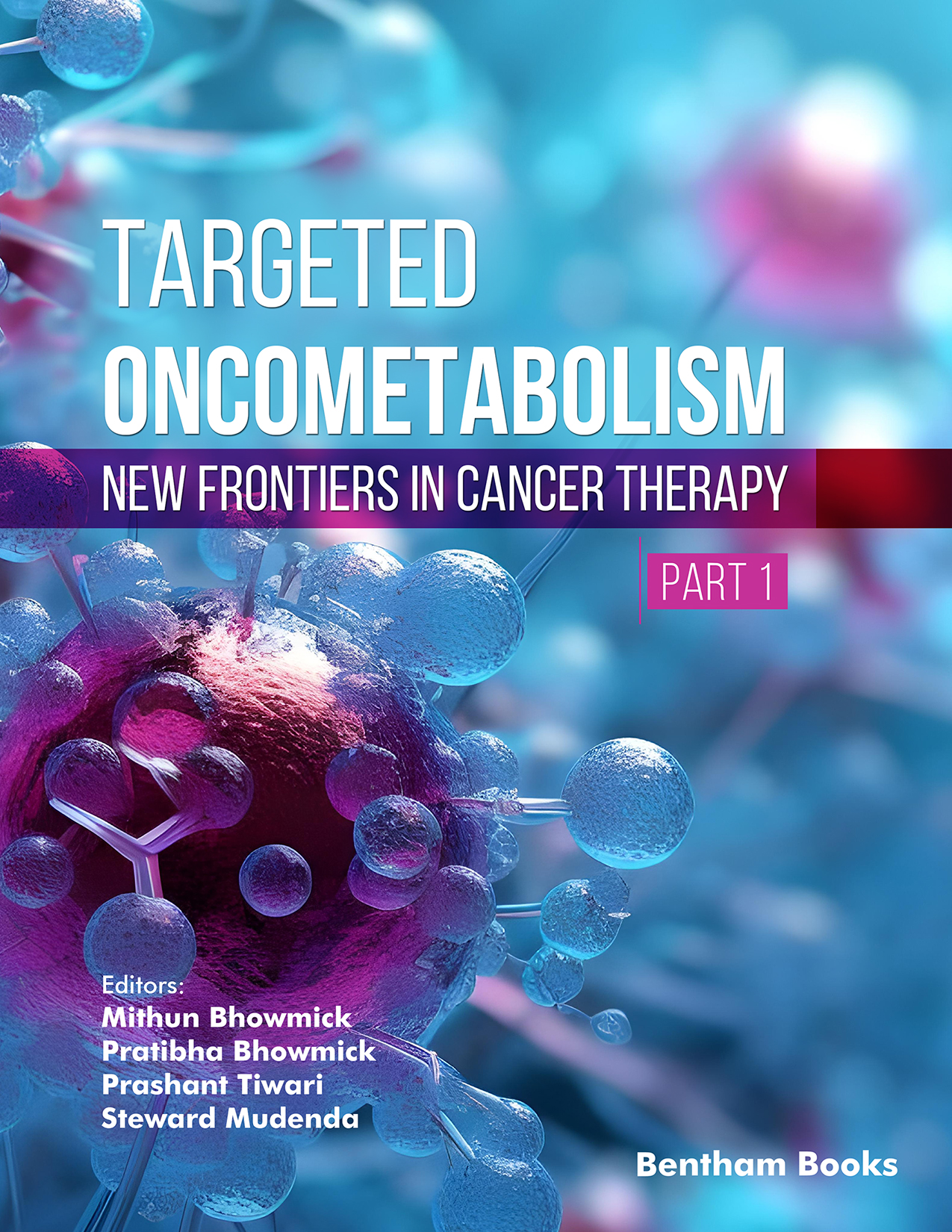
Cancer remains one of the most formidable challenges in modern medicine, not only because of its clinical complexity but also due to the intricate metabolic rewiring that sustains tumor growth, progression, and resistance. Over the past century, the study of cancer metabolism has evolved from the early observations of altered glucose utilization to a sophisticated field that integrates genomics, metabolomics, and systems biology. This book, Targeted Oncometabolism: New Frontiers in Cancer Therapy, is conceived as a comprehensive exploration of this dynamic discipline, highlighting both foundational principles and cutting edge therapeutic strategies.
The chapters presented herein trace the journey of cancer metabolism research from its historical roots to its current translational applications. Beginning with an introduction to the fundamentals of cellular metabolism, the text examines how cancer cells reprogram pathways such as glycolysis, glutamine metabolism, lipid biosynthesis, and one carbon metabolism to meet their proliferative demands. Each section emphasizes the duality of these pathways—how they serve as engines of tumor survival while simultaneously offering vulnerabilities that can be exploited for therapy.
A central theme of this volume is the tumor microenvironment, which emerges as a critical determinant of metabolic adaptation. Hypoxia, nutrient competition, stromal interactions, and immune modulation are discussed as key drivers of metabolic heterogeneity. By integrating perspectives from molecular biology, immunology, and pharmacology, the book underscores how cancer metabolism is not confined to the malignant cell alone but is a systemic phenomenon involving host tissues and immune responses.
Equally important is the therapeutic dimension. The book surveys current strategies aimed at targeting metabolic dependencies, including inhibitors of glycolysis, glutaminase, lipid synthesis enzymes, and modulators of redox balance. It also highlights innovative approaches such as synthetic lethality, metabolic stress induction, and nanotechnology based delivery systems. Case studies and clinical trial data are incorporated to bridge the gap between laboratory discoveries and patient care.
Another distinctive feature is the attention to emerging technologies. Advances in single cell metabolomics, CRISPR based genome editing, and computational modeling are poised to redefine how metabolic vulnerabilities are identified and targeted. The role of artificial intelligence in deciphering complex metabolic networks and predicting therapeutic outcomes is also explored, reflecting the interdisciplinary nature of contemporary cancer research.
This book is intended for a diverse readership researchers, clinicians, postgraduate students, and professionals in pharmaceutical sciences who seek a structured yet forward looking resource. By combining detailed mechanistic insights with translational relevance, it aims to serve as both a reference and a catalyst for new ideas.
We envision Targeted Oncometabolism not merely as a compilation of chapters but as a dialogue between disciplines. The contributors, drawn from academia and clinical practice, bring varied expertise that enriches the narrative. Their collective effort underscores a shared conviction: that understanding and manipulating cancer metabolism will unlock novel therapeutic frontiers and improve patient outcomes.
It is our hope that this volume will inspire readers to appreciate the elegance and complexity of metabolic reprogramming in cancer, while motivating them to contribute to the next generation of discoveries. As the field advances, the integration of metabolic science into oncology promises to transform cancer therapy from conventional cytotoxic approaches to precision guided interventions.
Mithun Bhowmick
Department of Pharmacy
Bengal College of Pharmaceutical Sciences & Research
Durgapur, West Bengal, India
Pratibha Bhowmick
Department of Pharmacy
Bengal College of Pharmaceutical Sciences & Research
Durgapur, West Bengal, India
Prashant Tiwari
Department of Pharmacology
College of Pharmaceutical Sciences
Dayananda Sagar University
Bengaluru, Karnataka, India
&
Steward Mudenda
Department of Pharmacy
School of Health Sciences
University of Zambia
Lusaka, Zambia