FOREWORD I
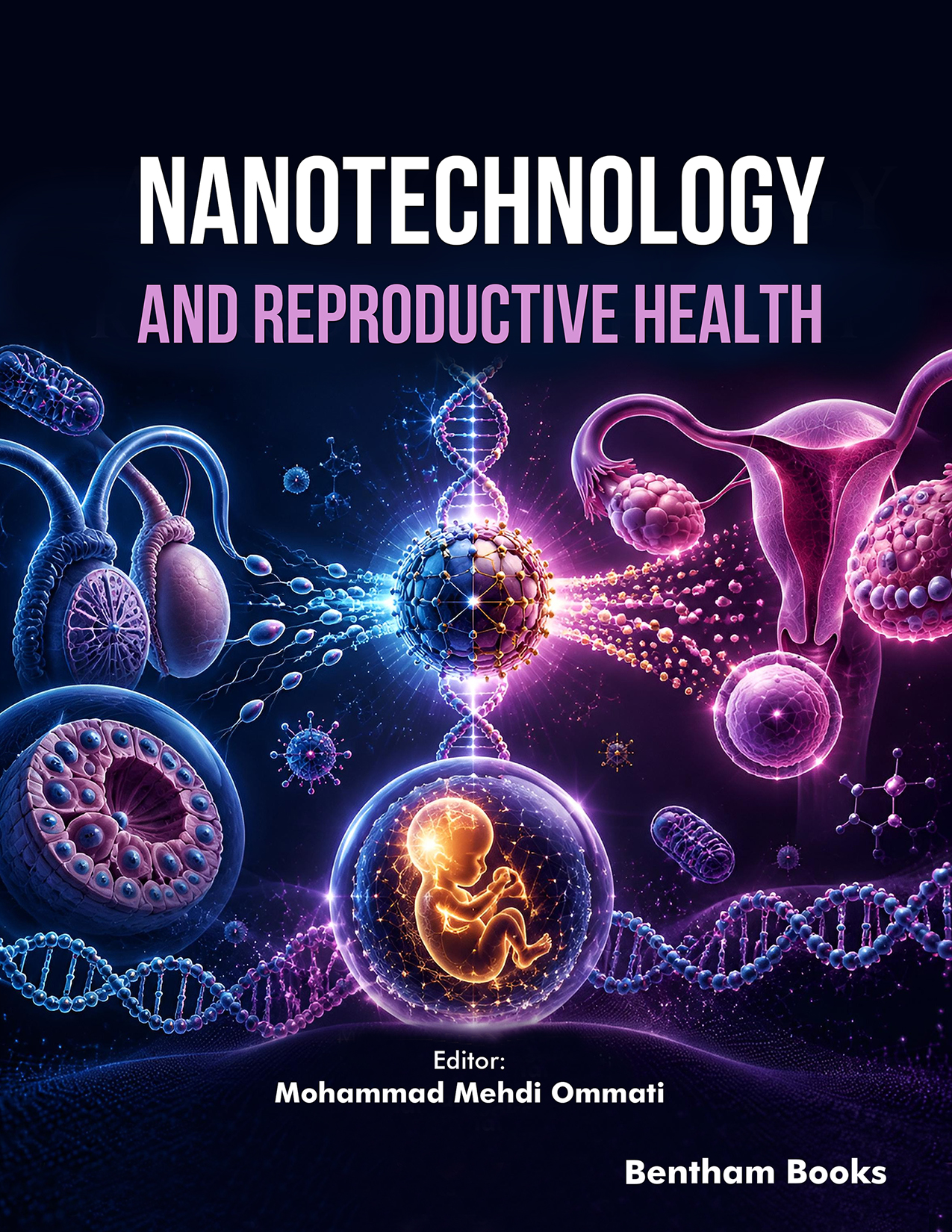
It is with great pleasure and academic appreciation that I write this foreword to the timely and comprehensive book Nanotechnology and Reproductive Health, edited by the esteemed scholar, Professor Mohammad Mehdi Ommati. As a professor with deep expertise in nanomedicine and drug delivery systems, I have witnessed firsthand the transformative impact of nanotechnology on modern healthcare. Among its many applications, its role in reproductive health stands out as one of the most promising—and yet, underexplored—frontiers. This book arrives at a crucial time, when global challenges in reproductive medicine demand innovative, precise, and interdisciplinary solutions.
Professor Ommati has assembled a distinguished team of international experts to produce a scientifically rigorous and forward-looking exploration of how nanomaterials interact with reproductive biology. This volume offers a multidisciplinary perspective, integrating insights from nanotechnology, reproductive physiology, toxicology, biomedical engineering, and ethics. The result is a holistic and timely contribution to a rapidly evolving field.
The chapters span a broad and interconnected landscape—from foundational applications of nanotechnology in diagnostics, therapeutics, and tissue engineering (Chapter 1), to the critical issue of nanomaterial-induced reproductive toxicity (Chapter 2). This dual lens—innovation and caution—reflects the maturity of a field poised to strike a balance between promise and responsibility.
Chapter 3 presents a compelling analysis of the environmental impact of nanoparticles, particularly their potential reproductive toxicity in both sexes and across generations. Chapter 4 then shifts focus to the translational potential of nanomaterials in addressing male and female reproductive disorders. The discussion of Nano-enhanced Assisted Reproductive Technologies (NARTs) in Chapter 5 is particularly insightful, offering novel strategies to enhance gamete selection, improve embryo implantation, and increase overall clinical success rates.
Chapter 6 examines the often-overlooked interface between nanoparticles and gamete biology, shedding light on how these materials may impact fertilization processes at the molecular level. Chapter 7 further advances this discussion by examining the emerging role of nanoparticle-based delivery systems in treating reproductive cancers and inflammatory conditions, with enhanced precision and minimized side effects.
Among the book’s most significant contributions are the chapters addressing mechanistic and translational concerns. Chapter 8 explores the endocrine-disrupting effects of nanomaterials on the neuroendocrine axes. In contrast, Chapter 9 examines the permeability of the placental barrier to nanoparticles, highlighting the potential risks to both maternal and fetal health. These chapters are essential reading for researchers and clinicians seeking to understand the long-term implications of nanomaterial exposure.
Chapter 10 provides a forward-looking analysis of nanotechnology-based contraception, signaling a shift toward more innovative, reversible, and user-friendly approaches. The inclusion of Chapter 11, which explores the ethical dimensions of reproductive nanotechnology, is especially valuable. It underscores the importance of robust ethical frameworks, regulatory oversight, and public engagement as these technologies continue to evolve.
Finally, Chapter 12 offers a glimpse into the future of reproductive nanomedicine, highlighting the integration of artificial intelligence and personalized medicine. These concluding chapters point toward a new era of innovation—one that is not only scientifically advanced but also ethically grounded and environmentally sustainable.
This book is more than a technical reference; it is a visionary roadmap for the future of reproductive nanomedicine. The contributors’ scientific excellence, combined with Professor Ommati’s editorial leadership, has resulted in a seminal work that will guide researchers, clinicians, educators, and policymakers alike.
I offer my heartfelt congratulations to all the contributors and wholeheartedly recommend this volume to anyone seeking to understand, apply, or ethically govern the integration of nanotechnology in reproductive health.
Soodabeh Davaran
Department of Biomedicine and Pharmaceutical Nanotechnology
Khazar University, Baku, Azerbaijan
&
Department of Pharmaceutical Biomaterials
Tabriz University of Medical Sciences, Tabriz
East Azerbaijan Province, Iran
FOREWORD II
Science, at its most transformative, is not only the pursuit of knowledge but the pursuit of hope. Few areas embody this truth more deeply than the meeting point of nanotechnology and reproductive health—a place where the smallest materials known to humanity hold the power to shape the most profound beginnings of life.
Nanotechnology and Reproductive Health, edited by Professor Mohammad Mehdi Ommati, is more than a scientific compendium; it is a testament to what can be achieved when innovation, curiosity, and responsibility walk hand in hand. Across its pages, the reader will encounter a spectrum of insight—discoveries that promise to heal, technologies that aim to protect, and ethical reflections that remind us of our duty to use science wisely.
The early chapters explore the vast potential of nanotechnology in reproductive medicine—how engineered materials can illuminate disease at its earliest whisper, deliver therapies with unprecedented precision, and even guide the regeneration of life-giving tissues. Yet the volume does not shy away from the shadows. It directly addresses the pressing questions of nanomaterial safety, the subtle ways these particles may alter fertility, and their capacity to cross generational boundaries.
Here, innovation is tempered with vigilance. The discussions move from the clinic to the environment, from the intimacy of gamete interaction to the complexity of endocrine regulation and placental protection. The middle sections introduce us to nano-enhanced assisted reproductive technologies, to strategies that could one day make infertility treatments gentler, more effective, and more accessible. The later chapters turn to the horizon—examining AI-assisted contraception, and precision nanomedicine as part of the next chapter in reproductive care.
What makes this book exceptional is not just the breadth of its science, but the unity of its vision: a future where technology does not replace the human touch in medicine, but strengthens it; where the tools of the nanoscale are wielded with the wisdom of the heart as well as the rigor of the mind.
• To the scientist, this work offers a roadmap for discovery.
• To the clinician, it offers tools for healing.
• To the policymaker, it offers guidance for governance.
• And to every reader, it offers a reminder that the smallest things we create may one day safeguard the most precious beginnings of life.
It is with deep respect that I commend this volume to all who seek to explore, advance, and safeguard the union of nanotechnology and reproductive health.
Rovshan Khalilov
Department of Biophysics and Biochemistry
Baku State University, Baku
Azerbaijan