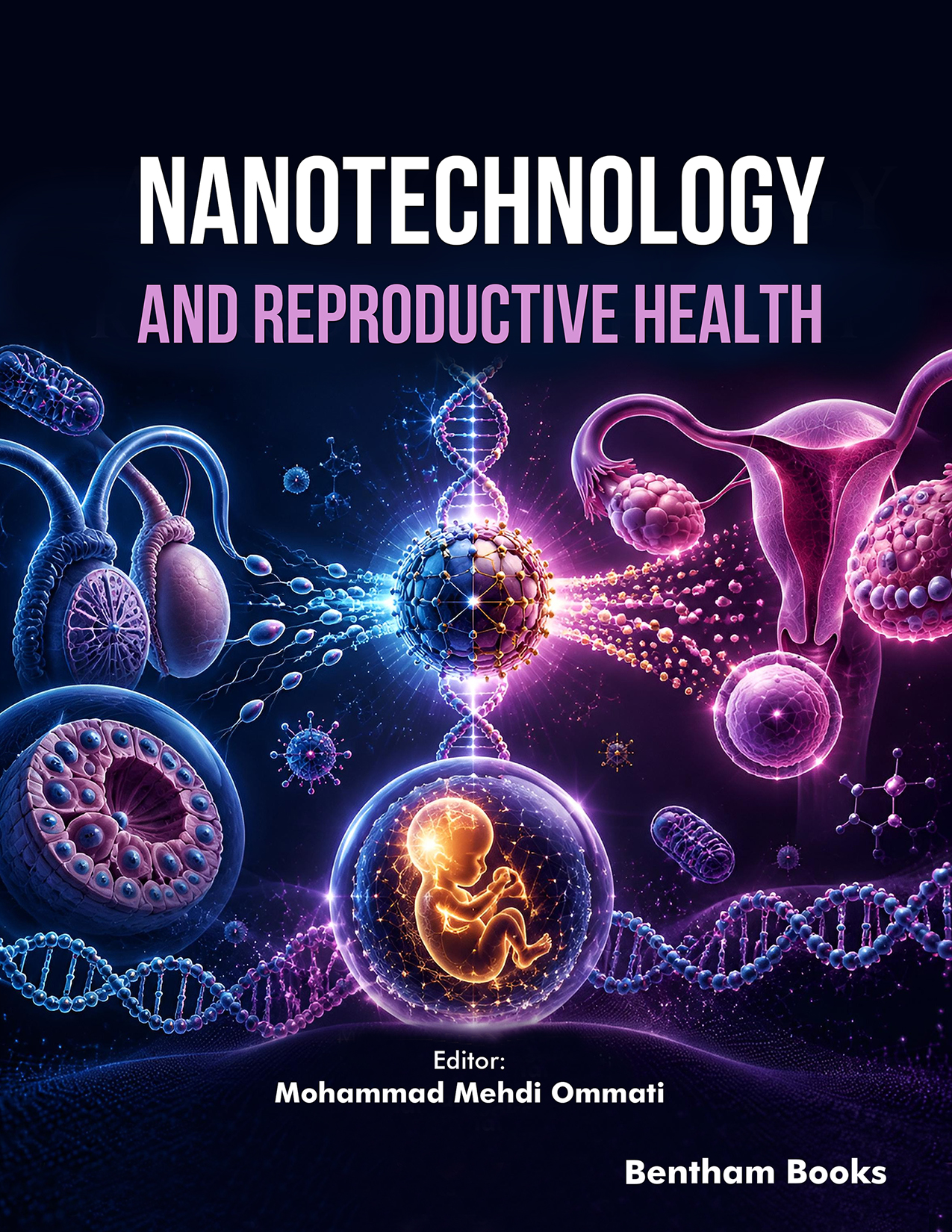
Nanotechnology has opened an unprecedented chapter in biomedical sciences, reshaping how we diagnose, treat, and prevent complex health challenges. Nowhere is its transformative potential more profound than in the field of reproductive medicine, where nanoscale innovations meet the intricacies of life’s beginnings. Nanotechnology and Reproductive Health brings together leading global experts to explore this intersection and offers a comprehensive examination of nanotechnology’s roles in reproductive physiology, pathology, and therapeutics.
As the editor, I draw on more than a decade of research in reproductive toxicology, endocrinology, and nanopharmacology, with a focus on xenobiotic-induced infertility, mitochondrial dysfunction, oxidative stress, and endocrine disruption; topics increasingly relevant in the age of engineered nanomaterials. My editorial work, from biology for students to leadership roles in journals including scientific reports, reproduction and fertility, trends in pharmaceutical sciences and technologies, and frontiers in veterinary science, has further deepened my commitment to advancing knowledge across these interconnected domains.
This volume would not have been possible without the exceptional contributions of distinguished scholars from around the world. I am especially grateful to Professors Reza Heidari, Hong-Wei Wang, and Socorro Retana-Márquez, whose expertise as Advisory Editors ensured the coherence and scholarly rigor of this work. I am deeply honored to include Forewords by two internationally renowned scholars, Professor Soodabeh Davaran and Professor Rovshan Khalilov, whose visionary perspectives on nanotechnology and its biomedical applications greatly enrich this volume. Their willingness to contribute despite having no prior professional connection to me reflects their generosity and commitment to advancing global scientific discourse. Their thoughtful essays frame this work with scholarly depth and inspire readers to engage with nanotechnology's transformative potential in reproductive health. As I transition to my new position, I am grateful to Linyi University for welcoming me into their academic community. I extend my sincere gratitude to Professor Zhen Wang (Department Head), Professor Xinyue Song (Dean's Assistant), and Mrs. Ronghua Liu (Faculty Secretary) at Linyi University for their invaluable support and guidance during my transition. Their dedication to fostering international collaboration and their warm welcome into the School of Medicine community have been instrumental in making this move possible. I also extend my appreciation equally to Shiraz University of Medical Sciences, Shiraz, Iran, for its steadfast support. I offer my deepest thanks to my colleagues at both Linyi University and Henan University of Science and Technology, whose encouragement has sustained this effort.
Structured to guide readers from foundational principles to clinical applications and future directions, this book is designed for researchers, clinicians, graduate students, and policymakers alike. By integrating cutting-edge science with ethical and practical considerations, it aims to serve as both a definitive reference and an invitation to innovate responsibly.
As we stand on the new era in reproductive medicine, we must pair scientific ambition with ethical foresight to ensure that nanotechnology’s benefits are realized inclusively and sustainably. I hope this volume inspires collaboration, drives discovery, and makes a meaningful contribution to a healthier, more equitable, and more sustainable future.
Finally, I wish to express my deepest gratitude to my wife, Samira Sabouri, and to our two wonderful children, Adrian and Ariana. Their unwavering love, patience, and the peaceful home they create have been my constant source of strength and inspiration. It is through their presence that I find the calm and joy necessary to bring this work to life.
Mohammad Mehdi Ommati
School of Medicine, Linyi University
Linyi, Shandong, China
&
Pharmaceutical Sciences Research Center
Shiraz University of Medical Sciences
Shiraz, Iran