
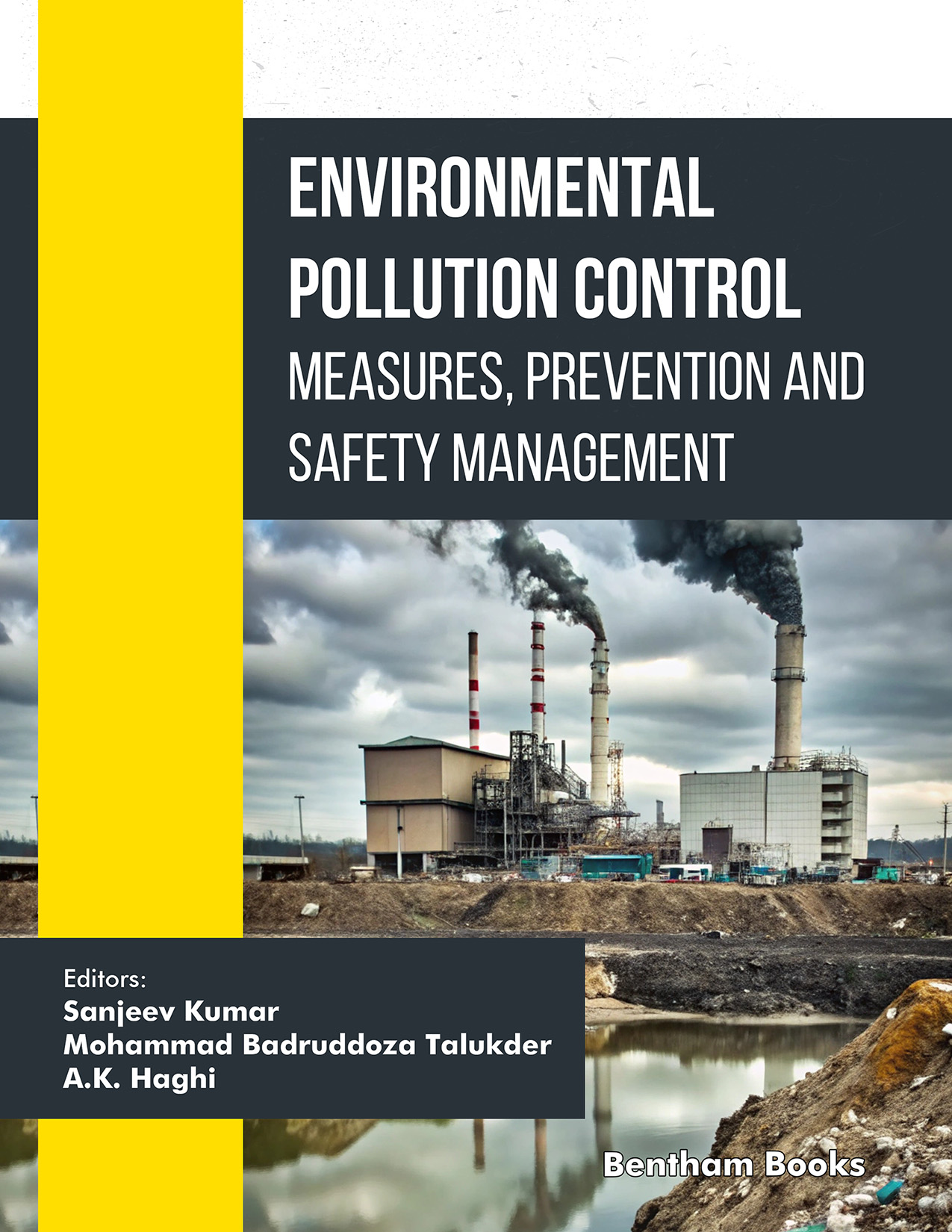
Environmental Pollution Control: Measures, Prevention and Safety Management

Editors: Sanjeev Kumar, Mohammad Badruddoza Talukder, A.K. Haghi

Environmental Pollution Control: Measures, Prevention and Safety Management

ISBN: 979-8-89881-490-8
eISBN: 979-8-89881-489-2 (Online)

Introduction

Environmental Pollution Control: Measures, Prevention, and Safety Management is a comprehensive, far-reaching exploration of environmental pollution and its impacts on ecosystems, human health, and global food systems, examining critical challenges arising from air, water, and soil pollution while emphasising sustainable solutions, preventive strategies, and safety management practices.

The book draws on diverse perspectives to highlight the relationship between environmental pollution and food security, including its psychological, social, and economic implications for vulnerable populations, and explores pressing concerns such as plastic waste, unsafe industrial waste disposal, carbon emissions, and the ecological costs of tourism.

With a strong focus on sustainable development, the book also examines waste management practices, urban food systems, and the integration of technology and policy for effective environmental governance. By bridging theoretical insights with practical applications, it offers valuable guidance for developing resilient, safe, and sustainable environmental systems.


Key Features

  • - Comprehensive coverage of air, water, and soil pollution and their impacts.
  • - Strong focus on food security, sustainability, and public health.
  • - Inclusion of real-world case studies and regional environmental challenges.
  • - Insights into plastic waste management and industrial pollution control.
  • - Exploration of emerging technologies, including AI, in pollution monitoring.
  • - Practical approaches to remediation, prevention, and safety management.

Target Readership:

Researchers, academics, and postgraduate students in environmental science, sustainability, and public health.

Foreword

Environmental pollution control has become a global concern and is inseparable from the policy objectives of governments around the globe.

There is a practical need to analyze this pressing issue concerning the relationship between environmental pollution and public health, and to adopt reasonable strategies to prevent health hazards and to follow up on research topics in this very important area.

However, many conventional waste pollution monitoring methods can lead to significant environmental issues, such as diminishing valuable resources, and cause a significant negative impact on society. This research-oriented edited collection introduces pollution treatment methods that can be adopted at local and international levels and examines appropriate resource management strategies for environmentally related issues. Presenting the latest research topics and innovative ideas to educate future citizens about the sustainable development of our planet.

The book investigates the diverse effects of environmental pollution and emphasizes how urgent it is to resolve the ecological costs of waste contamination. Each chapter blends academic theory, field research, case illustrations, and policy analysis, enabling a holistic understanding of the subject matter along with meaningful and productive experimental findings in this multidisciplinary field by renowned research scientists to report hazard analysis and human health risk assessment. This volume also reports practical achievements in environmental safety, environmental pollution control, along with technology innovation methods for better managing continuous screening and monitoring of chemical residues in environment.