
Introduction
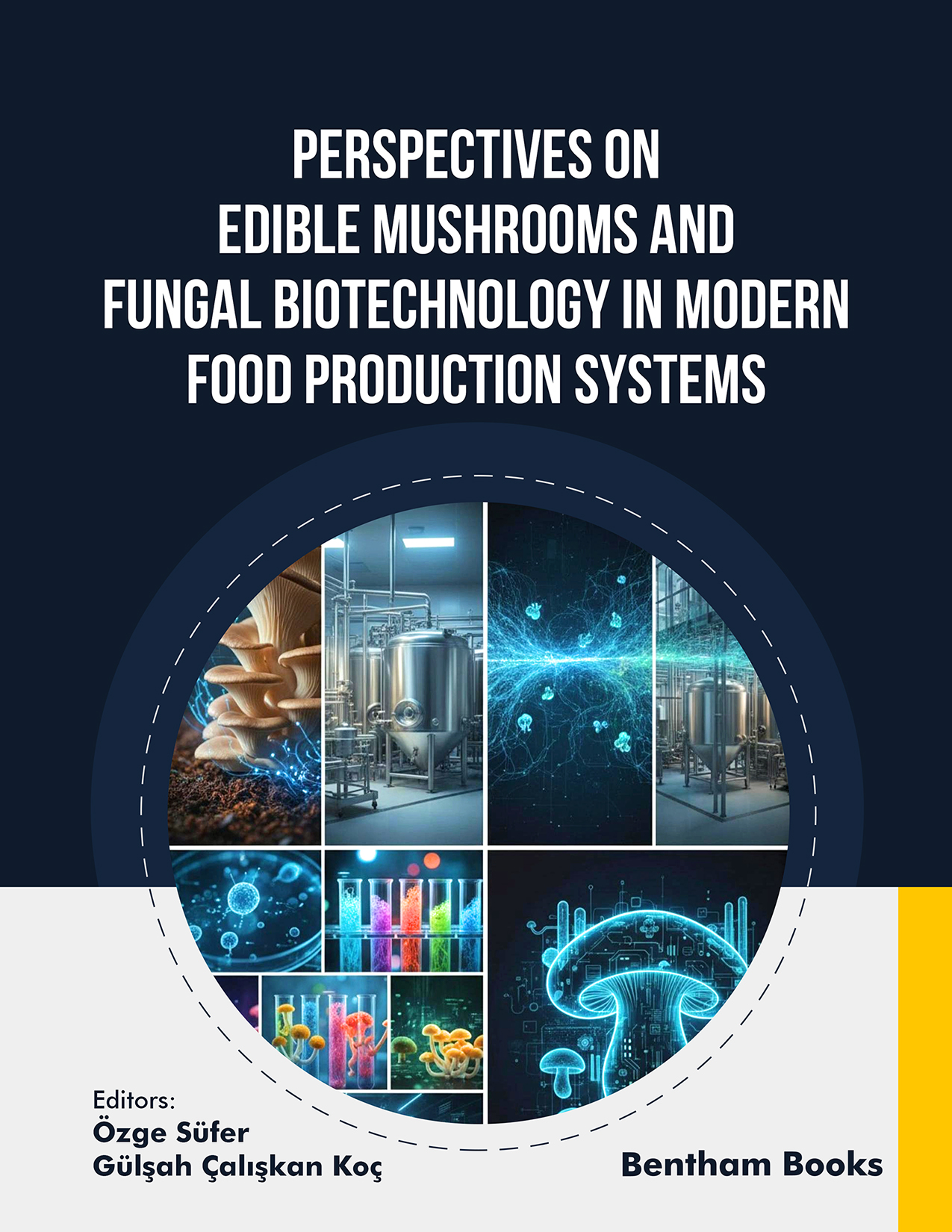
Perspectives on Edible Mushrooms and Fungal Biotechnology in Modern Food Production Systems explores the role of fungi in contemporary food science, food engineering, and sustainable nutrition. The book addresses global challenges such as population growth, food security, environmental sustainability, and efficient resource utilisation, while also highlighting edible mushrooms and fungal biotechnology as promising solutions for resilient and innovative food production systems.
Beginning with the historical use of fungi in fermentation and food preservation, the book connects traditional practices with modern food processing technologies. It further examines mushroom cultivation techniques, optimisation of growth conditions, genetic improvement, and the development of fungal-based protein sources such as mycoproteins and plant-based meat alternatives. The book also discusses enzymatic applications, fermentation technologies, functional and bioactive compounds, nutraceutical development, and regulatory aspects associated with fungal food products.
Emphasising sustainability, the book explores circular economy principles, waste valorisation, life-cycle assessment, and resource-efficient production methods. Emerging technologies, including artificial intelligence, automation, and precision engineering, are discussed in relation to future fungal food systems, alongside critical considerations of food safety, ethics, and policy frameworks.
Key Features
- - Comprehensive coverage of edible mushrooms and fungal biotechnology in modern food systems, including cultivation, genetic improvement and production optimisation.
- - Discussion on the usage of fermentation technologies, enzymes, and bioactive compounds in food applications.
- - Examines sustainability approaches, including circular economy, waste valorisation, and life-cycle assessment.
- - Coverage of regulatory, safety, and ethical considerations in fungal food innovation.
- - Integration of emerging technologies such as AI, automation, and precision engineering in food production.
Target Readership:
Academic researchers, students and industry professionals interested in innovative and sustainable food systems.