
Introduction
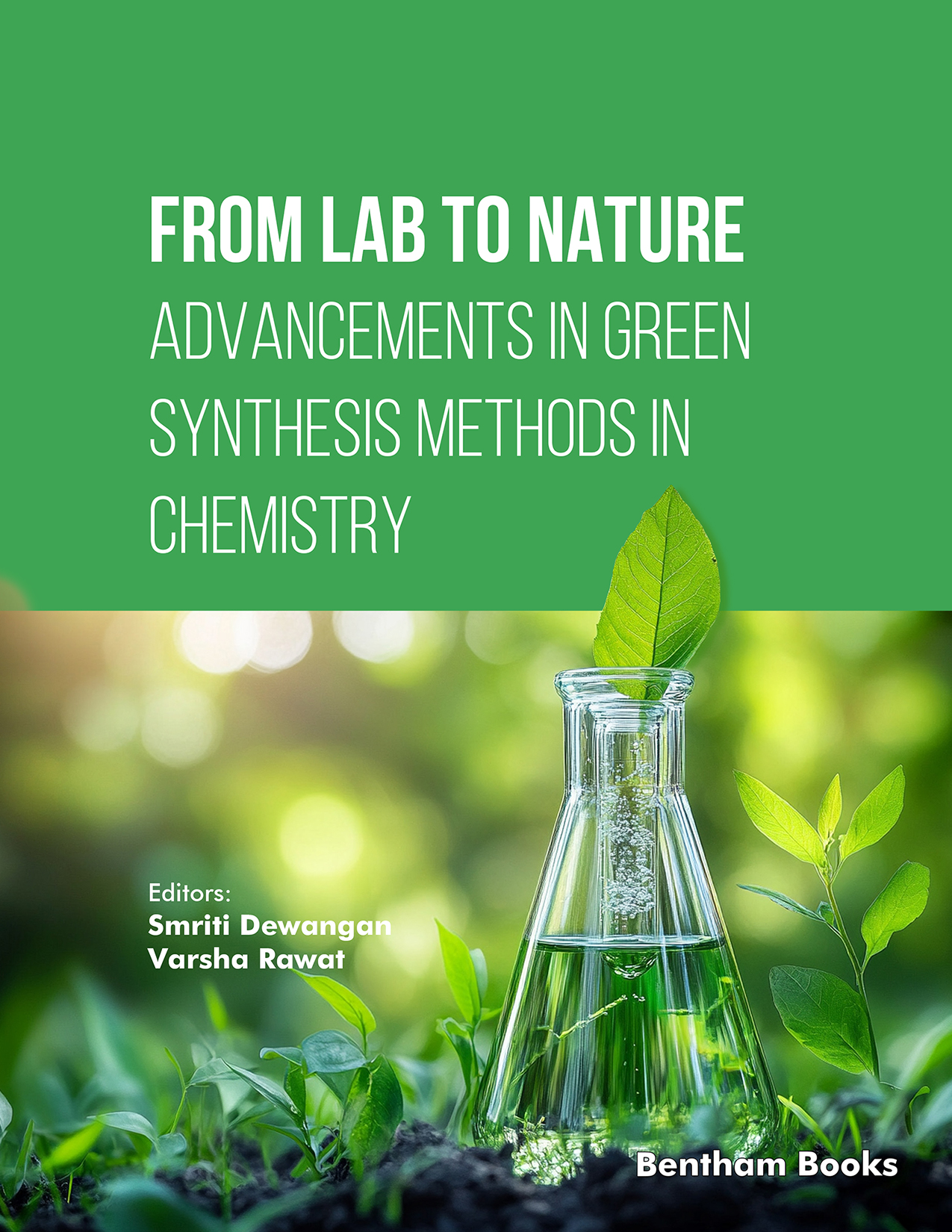
From Lab to Nature: Advancements in Green Synthesis Methods in Chemistry provides a comprehensive overview of modern green synthesis strategies that promote environmentally responsible chemical research and industrial practice. Covering both fundamental principles and practical applications, the book examines sustainable alternatives to conventional chemical processes, with an emphasis on reducing waste, improving resource efficiency and minimizing environmental impact.
The chapters explore green chemistry principles, laboratory and industrial synthesis methods, biocatalysis, green solvents, solvent-free reactions and advanced techniques including microwave-, ultrasound-, photo- and electrocatalytic synthesis. The book also discusses sustainable nanomaterials, catalytic innovations, toxicity assessment, life cycle analysis and real-world applications in pharmaceutical and industrial chemistry. Concluding chapters examine the future of green chemistry through perspectives on education, policy and economic considerations. This monograph serves as a valuable reference for researchers, graduate students, chemists and professionals seeking sustainable approaches to chemical synthesis.
Key Features
- - Explains the principles and practices of green chemistry.
- - Covers sustainable synthesis methods and catalytic technologies.
- - Examines green solvents, biocatalysis and solvent-free reactions.
- - Discusses toxicity studies, life cycle assessment and industrial applications.
- - Explores policy, education and future directions in sustainable chemistry.
Readership :
Researchers, graduate students, chemists and professionals in the field of chemical engineering and sustainability.