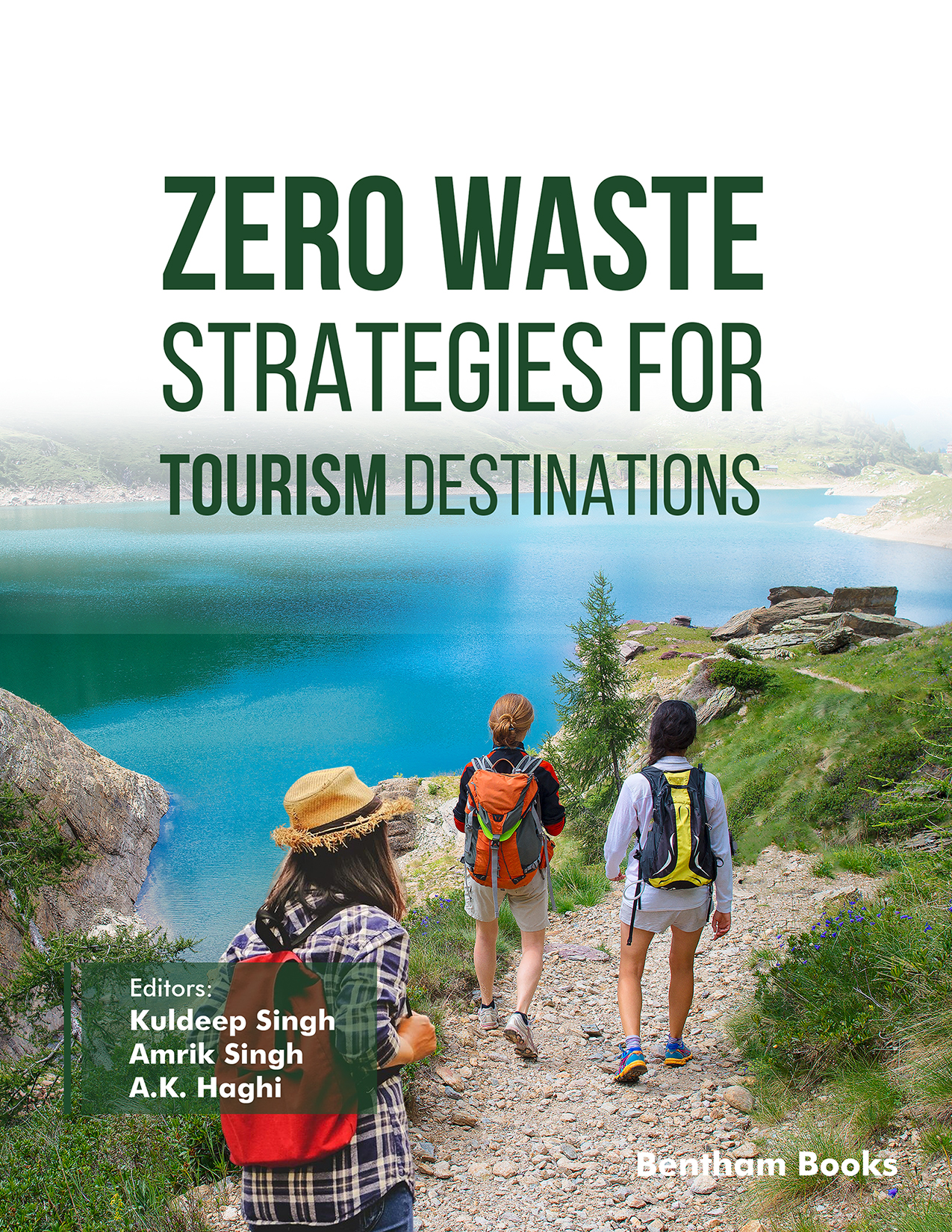
Tourism is one of the largest industries in the world, contributing significantly to the global economy and providing cultural exchange and recreation opportunities. However, it also comes with a high environmental cost, particularly in terms of waste generation. The increasing awareness of sustainability and environmental protection has necessitated a shift toward responsible tourism practices. This book, Zero Waste Strategies for Tourism Destinations, addresses a critical challenge faced by tourism destinations: how to minimize waste without compromising the quality of visitor experiences. This book is a comprehensive guide that combines theoretical insights and practical strategies to tackle waste management in tourism. It is designed for a diverse audience, including policymakers, destination managers, tourism professionals, researchers, and students. By highlighting actionable zero-waste solutions, the book aims to inspire tourism stakeholders to adopt sustainable practices that benefit both the environment and the industry. This book explores key aspects of zero-waste tourism, including innovative waste reduction techniques, green practices in accommodation and food services, the role of technology like AR/VR in sustainable tourism, and community-based initiatives for waste management. A sustainable future for tourism requires collaboration among various stakeholders, from local governments and businesses to tourists themselves. This book emphasizes the importance of partnerships and collective responsibility in achieving the ambitious goal of zero waste. It also sheds light on the intersection of waste management with other crucial issues such as climate change, resource efficiency, and social equity, making it a well-rounded resource for anyone seeking to understand and address these interconnected challenges. We are deeply grateful to the contributors, researchers, and industry practitioners who have shared their insights and experiences to enrich this book. Their expertise has been instrumental in making this a comprehensive resource on zero-waste strategies. Tourism destinations worldwide are at a crossroads where proactive measures today can ensure a thriving, sustainable industry for generations to come.
As we journey through this comprehensive volume, each chapter offers unique insights into the dynamic interplay between waste management strategies and tourist designation.
Chapter 1: Environmental and Sustainable Development in a Tourist Destination
Sustainable hazardous waste management in tourist places has become an important part of encouraging environmental and sustainable development. As tourism grows worldwide, the accumulation of hazardous waste, such as chemicals, plastics, and electronic trash, poses a substantial threat to ecosystems, public health, and local communities. This article investigates sustainable ways for handling hazardous waste in tourist locations, with an emphasis on incorporating zero-waste concepts into tourism activities. This study looks into innovative approaches such as trash segregation, safe disposal methods, and circular economy efforts that aim to reduce hazardous waste and improve resource recovery in tourism regions.
Chapter 2: Sustainable Hazardous Waste Management Strategies in Tourism Destinations Towards A Zero Waste Society: Controlling Environmental Pollution in Tourism
This chapter explores how a large number of tourists generates massive amounts of waste, including toxic substances such as electronic waste (e-waste), chemicals, and batteries, which have multiplied alongside tourist destinations. This article probes the pressing issues concerning sustainable hazardous waste management practices aimed at mitigating environmental pollution, therefore, towards a circular economy in the tourism sector. It discusses the complexity involved in hazardous waste management, especially concerning local systems that fail to cope with large scales and types of waste produced by these tourists. The article continues with innovative strategies and best practices toward effective hazardous waste management, emphasizing stakeholder collaboration among governments, businesses, and local communities. It also advocates the adoption of a zero-waste society, where waste is minimized at its source and materials are continuously reused and recycled.
Chapter 3: Exploring the Innovative Use of Culinary Ingredients Focused on Reducing Kitchen Waste
This study examines different methods used by home cooks and chefs of star hotels to turn leftovers and underutilized resources into tasty and nourishing meals. Some methods that reduce waste and improve flavour profiles are fermenting vegetable trimmings, making stocks from vegetable peels, and using stale bread for croutons or bread puddings by adding flavourings to balance the aroma. Furthermore, extending the shelf life of goods using innovative preservation techniques like pickling and dehydrating helps reduce waste. This study emphasizes the potential for financial savings and environmental advantages by highlighting the significance of ingredient variety.
Chapter 4: Eco-friendly Dining Practices in the Hospitality Industry: Minimizing Waste through Regional Resources
Eco-friendly practices used by hotels to attract consumers with reference to customer loyalty and positive brand perception. This chapter seeks to show that incorporating local resources into dining operations improves sustainability in the hospitality sector and benefits the environment, benefiting both businesses and communities. Moreover, it will examine factors such as awareness, cultural norms, and personal values that influence hoteliers’ attitudes regarding food waste. Additionally, it also explores the challenges faced by establishments in sourcing locally, including supply chain limitations and seasonal availability.
Chapter 5: Transforming The Cruise Industry by Navigating Environmental Challenges and Prioritizing Sustainable Sea Tourism
This chapter attempts to examine the difficult balance that exists between the cruise industry's roles in promoting economic growth and upholding high standards of life. According to an analysis of the literature published in the last 20 years, cruise companies have invested heavily in reducing their environmental impact. Several proactive and green shipping strategies are being implemented as part of these attempts to improve environmental management. Measurable gains have resulted from these initiatives, such as decreases in dangerous emissions and improvements in environmental management.
Chapter 6: Plastic and E-waste: The Nouveau Issue in Urban Nepalese Cities
This chapter explores the presence of plastic and e-waste, in addition to organic waste, in the Kathmandu valley, which underscores the importance of implementing constructive waste management measures. It is an unmanaged issue that has further exacerbated plastic pollution and systemic waste management. This stems from three main causes: dependency on plastic, mismanagement of waste, and lack of implementation of policies on waste management. Furthermore, the informal waste workers and recycling sectors also play a vital role in the ecosystem of both the primary and secondary collectors and waste processors. The Kathmandu Valley and the capital city are experiencing an alarming level of anthropogenic activities, leading to maximum pollution and waste generation.
Chapter 7: Luxury Leather Tourism: Pioneering Zero-Waste Strategies
In today’s world, the purpose of tourists goes beyond just gaining cultural experiences and creating memories, and has combined with the purchase of exclusive and luxury products, particularly leather goods. The desire for authenticity, the significance of cultural identity, and the appeal of exclusivity collectively influence the psychological allure of luxury shopping among tourists. This study aims to examine the interplay between luxury shopping tourism and sustainability, proposing zero-waste strategies that balance environmental responsibility with the exclusivity of luxury leather goods among tourists. It proposes solutions like the adoption of circular economy principles, upcycling leather scraps, and innovative alternatives to reduce waste generation in the luxury leather sector.
Chapter 8: Sustainable Waste Management in Small Hotels: A Case Study of Eco-Friendly Practices in Jaipur's Hospitality Sector
This chapter analyzes Waste Segregation, Recycling Initiatives, Circular Practices, and Staff Training. Strong factor loadings for Proper Waste Segregation and Recycling Program Awareness emphasized their importance in sustainability. This study suggests that hotel management and regulatory agencies should adopt a sufficiency strategy, rather than focusing solely on efficiency, to foster a shift in attitudes among staff and visitors
Chapter 9: Renewable Energy Paradigm: Energy Security, Environmental and Economic Implications (A Study of FCT Abuja, Nigeria)
This study examines the integration of renewable energy sources into the Federal Capital Territory (FCT) of Abuja, Nigeria, focusing on three main dimensions: energy security, environmental benefits, and economic impacts. It focuses on the role of renewable energy in enhancing energy security, diversifying Nigeria's energy mix, and reducing carbon emissions. It also evaluates the potential for job creation in the renewable energy sector, particularly in peri-urban and rural communities.
Chapter 10: Envisioning Green Resource Tourism Destinations: An Eco-Sustainable Approach
The study reveals a positive green conservation impact for tourism support and promoting sustainable tourism practices. The coverage of the paper makes a realistic attempt to uphold the potential of green resource- centric tourism practices with an optimistic trend of tourism growth in the coming years.
Chapter 11: Tech-Driven Solutions for Sustainable Waste Management in Tourism: The Road to a Zero-Waste Society
This chapter examines innovative waste management strategies specifically designed for the tourism industry, focusing on achieving a zero-waste society. It emphasizes key practices such as reducing waste generation, recycling materials, composting, and reusing resources to minimize the environmental impact caused by tourism activities. The chapter also underscores the critical role of various stakeholders, including local communities, government bodies, businesses, and tourists, in making these strategies effective. By working together, these groups can ensure that sustainable waste management becomes a core part of tourism operations. In addition, the chapter discusses the potential of smart technologies and digital tools that can assist in tracking and managing waste more efficiently.
Chapter 12: The Green Journey: Radisson Hotel and Effective Waste Management Solutions
Traditional waste disposal methods, such as sending large volumes of waste to landfills, proved inadequate and unsustainable. These outdated practices were not only environmentally harmful but also inconsistent with the Radisson Group's steadfast commitment to sustainability and its pursuit of eco-friendly operations. The collaboration between Radisson Blu and ECEPL focused on several critical objectives. These included reducing the volume of organic waste generated by the hotel, mitigating the environmental impact of waste disposal by incorporating eco-friendly practices, and modernizing operational processes across all departments to align with efficient waste management principles. To achieve these goals, the hotel invested in a fully automated KWIK Composter, an advanced Organic Waste Converter (OWC) capable of transforming organic waste into nutrient-rich organic manure.
Chapter 13: Sustainable Waste Management in Rural Destinations
The chapter highlights the importance of sustainable waste management in rural areas, highlighting its benefits for local communities' well-being, economic growth, and environmental preservation. Rural areas face challenges like inadequate infrastructure, scarce resources, and a lack of knowledge about proper garbage disposal. Sustainable waste management techniques like composting, recycling, and trash reduction are discussed, emphasizing the need for community involvement and education.
Chapter 14: Zero-Waste Accommodation: Sustainable Practices for Coastal Hotels and Resorts
This chapter focuses on zero-waste accommodation as a critical aspect of sustainable development, particularly for coastal hotels and resorts where environmental preservation is paramount. Through an extensive review of secondary data, including scholarly articles, industry reports, and case studies, the research explores the various sustainable practices adopted by coastal hotels to minimize waste. The chapter analyzes key strategies such as waste reduction, recycling, e-waste management, energy efficiency, and the use of sustainable materials, all based on documented initiatives from existing zero-waste programs.
Chapter 15: Exploring Sustainable and Eco-Tourism Destinations: A Path Towards Responsible Travel
Eco-tourism encourages responsible travel by promoting conservation efforts, reducing carbon footprints, and involving local communities in tourism activities. The paper also explores the benefits of eco-tourism, such as fostering biodiversity protection, generating revenue for conservation, and supporting sustainable livelihoods for local populations. With growing awareness of climate change and the need for environmental stewardship, eco-tourism provides a pathway for travellers to engage with nature without causing harm. By choosing sustainable destinations, tourists contribute to environmental protection, cultural preservation, and economic upliftment of the host communities.
Chapter 16: Role of Digital Green Marketing Campaigns, Tourists' Environmental Beliefs Towards Eco-Tourism Destination: A Step Towards Sustainability
This chapter investigates the efficacy of digital green marketing campaigns in influencing tourists' environmental attitudes and encouraging eco-tourism destinations through digital media, highlighting the increasingly critical role of digital platforms in driving sustainable tourism initiatives. Digital green marketing campaigns use technology to disseminate messages about adopting eco-friendly practices and are effective at informing and influencing the practices and preferences of tourists. Such campaigns promote eco-tourism destinations but also encourage eco-conscious choices.
Chapter 17: Exploring the Situational Study of Garbage Narratives in India
This article tries to illuminate the works of various Indian authors who, through their artistic manoeuvre tries to negotiate imagery related to Garbage, waste, and filth to critique the social inequalities, environmental degradation, and the complexities of modern Indian life.
Kuldeep Singh
Amity School of Hospitality,
Amity University
Gurugram, Haryana, India
Amrik Singh
School of Hotel Management and Tourism
Lovely Professional University
Jalandhar, Punjab, India
&
A.K. Haghi
Department of Chemistry
Institute of Molecular Sciences, University of Coimbra
Coimbra, Portugal