Energy is the backbone of modern civilization. From the moment we wake up and switch on a light to the devices that power industries, transportation, and homes, our lives are intricately woven with energy consumption. For decades, we have relied on large, centralized power plants, often fueled by non-renewable resources, to supply our electricity needs. While this model has served us well, it is no longer sustainable in the face of rising energy demands, climate change, and the need for energy security.
A new era of energy innovation is upon us. Today, distributed energy resources (DERs) and smart grids are transforming the traditional energy landscape, offering a future that is more decentralized, efficient, resilient, and environmentally friendly. This transition is not just an advancement in technology; it is a fundamental shift in the way we generate, manage, and distribute power.
As a researcher, deeply involved in the study of energy systems, I have witnessed firsthand how cutting-edge technologies are reshaping industries and societies. The need for smarter, cleaner, and more adaptive energy solutions has never been greater. My own work has led me to explore how emerging energy technologies can bridge the gap between conventional power infrastructure and modern, sustainable solutions.
Throughout my journey, I have observed how renewable energy sources, such as solar and wind, are no longer just alternative options but mainstream power sources. However, these sources bring inherent challenges intermittency, storage limitations, and integration complexities, which demand innovative solutions. This is where smart grids come into play.
A smart grid is more than just an improved electrical network; it is a dynamic system that integrates digital intelligence, automation, and real-time data analytics to optimize energy distribution and consumption. It enhances grid stability, reduces energy losses, supports decentralized energy production, and empowers consumers to participate in the energy market actively. Imagine a world where homes generate their own electricity, store excess energy, and trade it within a community microgrid. This is no longer science fiction but an emerging reality.
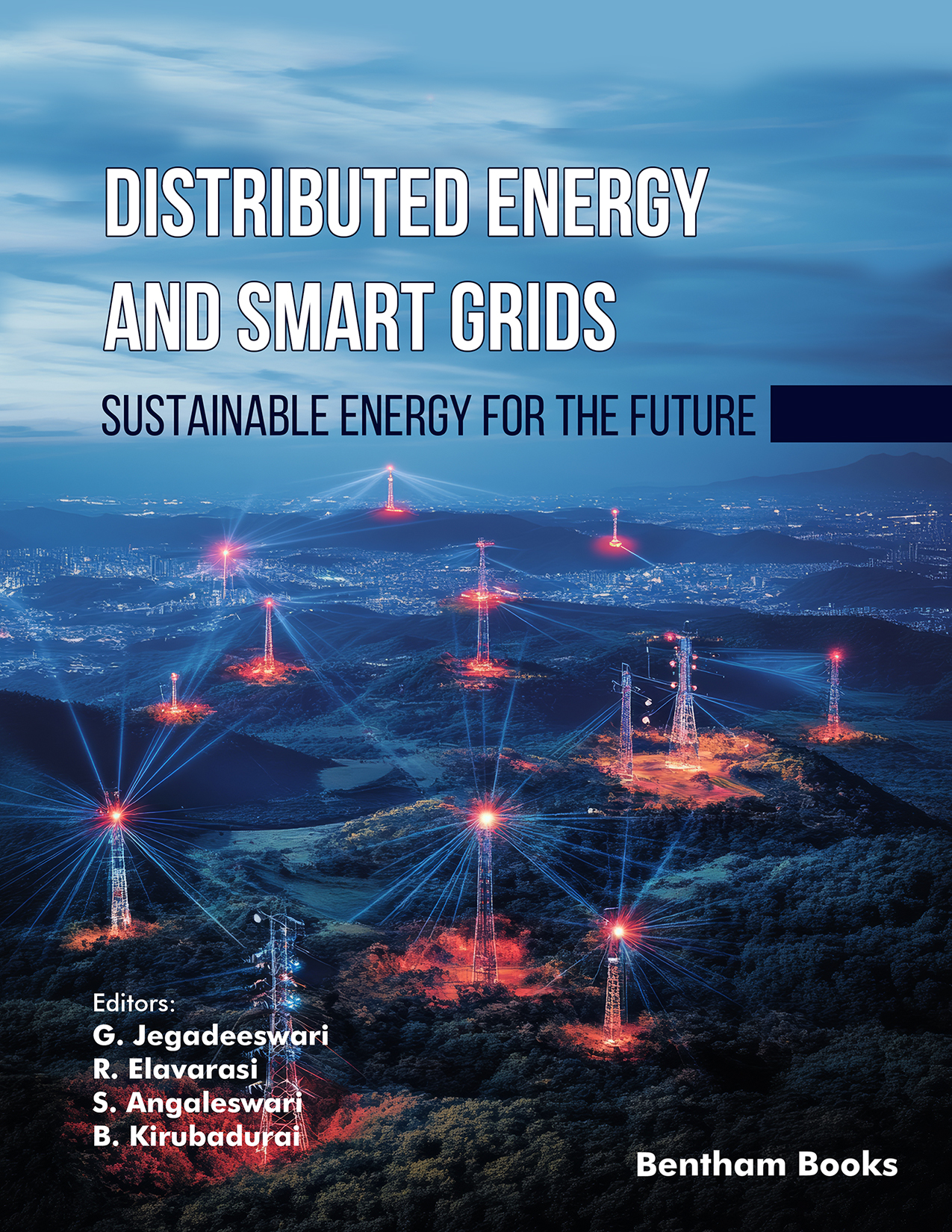
This book, Distributed Energy and Smart Grids: Sustainable Energy for the Future, is a culmination of research, technological advancements, and visionary ideas that aim to redefine the future of energy. It delves into the principles, challenges, and opportunities presented by decentralized energy generation, smart grid implementation, energy storage solutions, and digital transformation in the power sector.
The content within these pages is designed to offer a comprehensive understanding of how distributed energy and smart grids are shaping the next generation of power systems. Whether you are a researcher, engineer, policymaker, energy professional, or simply an enthusiast eager to understand the energy revolution, this book serves as a guide to help navigate the evolving landscape of modern energy solutions.
Each chapter is structured to provide insightful discussions, real-world applications, and technological advancements that drive the adoption of sustainable and resilient energy systems. By addressing key challenges such as grid modernization, cybersecurity, policy frameworks, and economic feasibility, this book offers a roadmap for the future of energy.
The global energy transition is not just about technology; it is about people, policies, and collective action. The shift toward distributed energy and smart grids requires collaboration among researchers, industries, governments, and consumers. By embracing these advancements, we can build an energy system that is not only reliable and efficient but also sustainable and accessible to all.
As we move forward, we must continue to innovate, challenge conventional paradigms, and invest in future-ready energy solutions. The insights presented in this book aim to spark new ideas, encourage meaningful discussions, and inspire practical implementations that contribute to a greener, smarter, and more resilient world.
I extend my gratitude to the authors, editors, and all those who have contributed to this remarkable volume. Their dedication to advancing the discourse on technology and sustainability is a beacon of hope for a brighter future. As you read these pages, I encourage you not only to absorb the knowledge but also to be inspired to take action, for it is through collective effort and shared vision that we will turn the promise of these technologies into a reality that benefits us all. The time for change is now. Let us work together to reshape the future of energy, ensuring a sustainable planet for generations to come.
Malathy Batumalay
Faculty of Engineering
INTI International University, Malaysia