Foreword
Vector-borne illnesses have become a significant public health concern in recent years, highlighting the complex relationship between climate change and human health. The rising global temperatures, shifting rainfall patterns, and extreme weather events are influencing the geographical distribution and seasonality of many vectors, such as mosquitoes, ticks, and mites, which in turn affect the transmission dynamics of diseases they carry. As we stand on the brink of unprecedented environmental changes, it is vital to understand how climate change will reshape the landscape of infectious diseases.
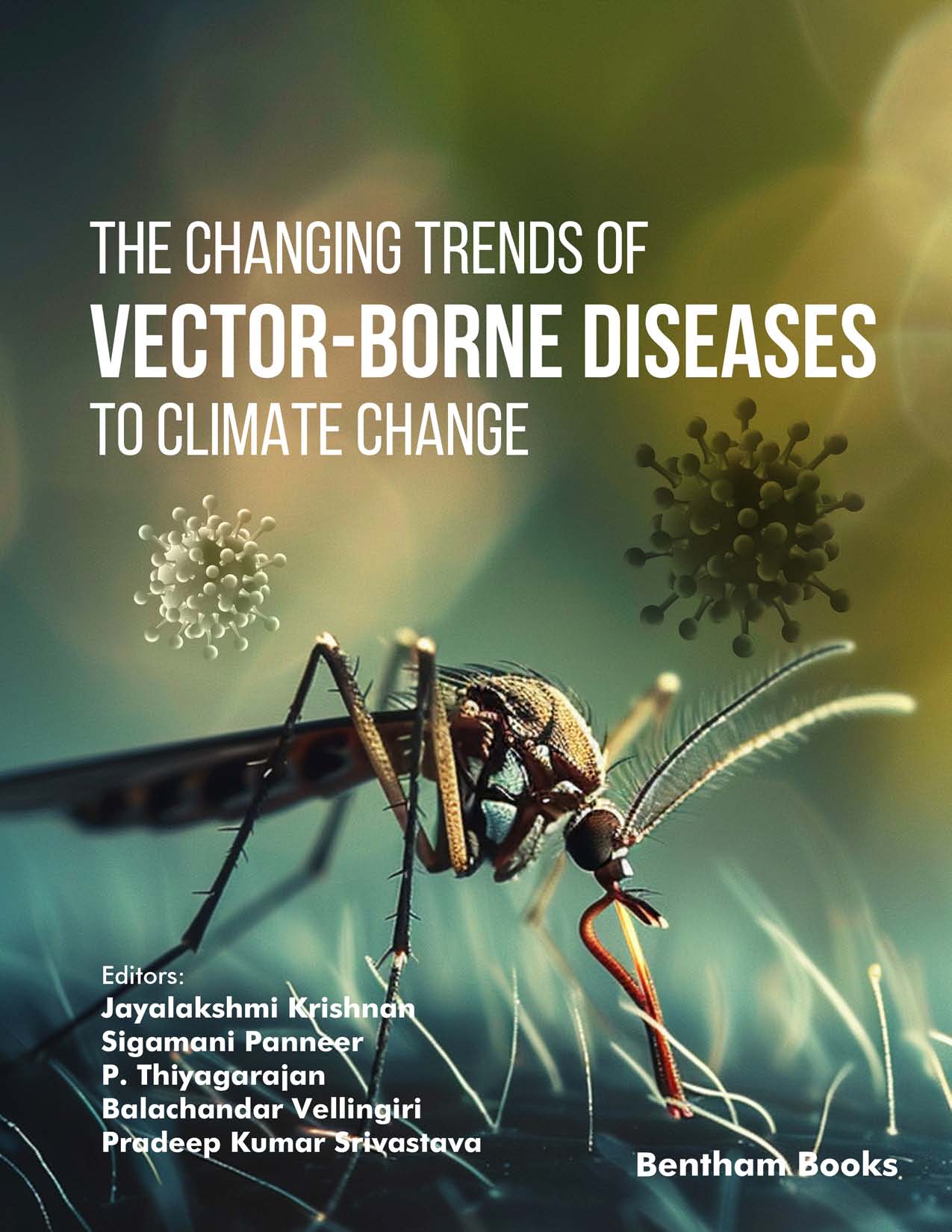
This book, "The Changing Trends of Vector-Borne Diseases to Climate Change," provides a comprehensive exploration of how climate change is influencing some of the most significant vector-borne diseases affecting humans. By focusing on diseases such as dengue, malaria, scrub typhus, Kyasanur Forest Disease (KFD), and Crimean-Congo Hemorrhagic Fever (CCHF), the authors present a detailed examination of the environmental shifts that are expanding the range of these pathogens, altering their epidemiology, and posing new challenges for control and prevention.
Each chapter delves into a specific disease, examining the relationship between climate variability and its vector ecology, transmission patterns, and public health impact. By highlighting the urgent need for innovative strategies in disease surveillance, vector control, and public health infrastructure, this book aims to provide insights into how we can mitigate the growing threat of climate-induced vector-borne diseases.
As climate change continues to accelerate, the need for interdisciplinary research, global cooperation, and robust public health planning has never been more critical. I hope that the knowledge contained in this book will serve as a valuable resource for researchers and public health professionals alike as we face the challenges ahead.
With a greater understanding of the complex relationship between climate change and vector-borne diseases, we can work toward safeguarding human health in a rapidly changing world.
Rajesh Banu J.
Department of Biotechnology
Central University of Tamil Nadu
Thiruvarur, Tamil Nadu, India