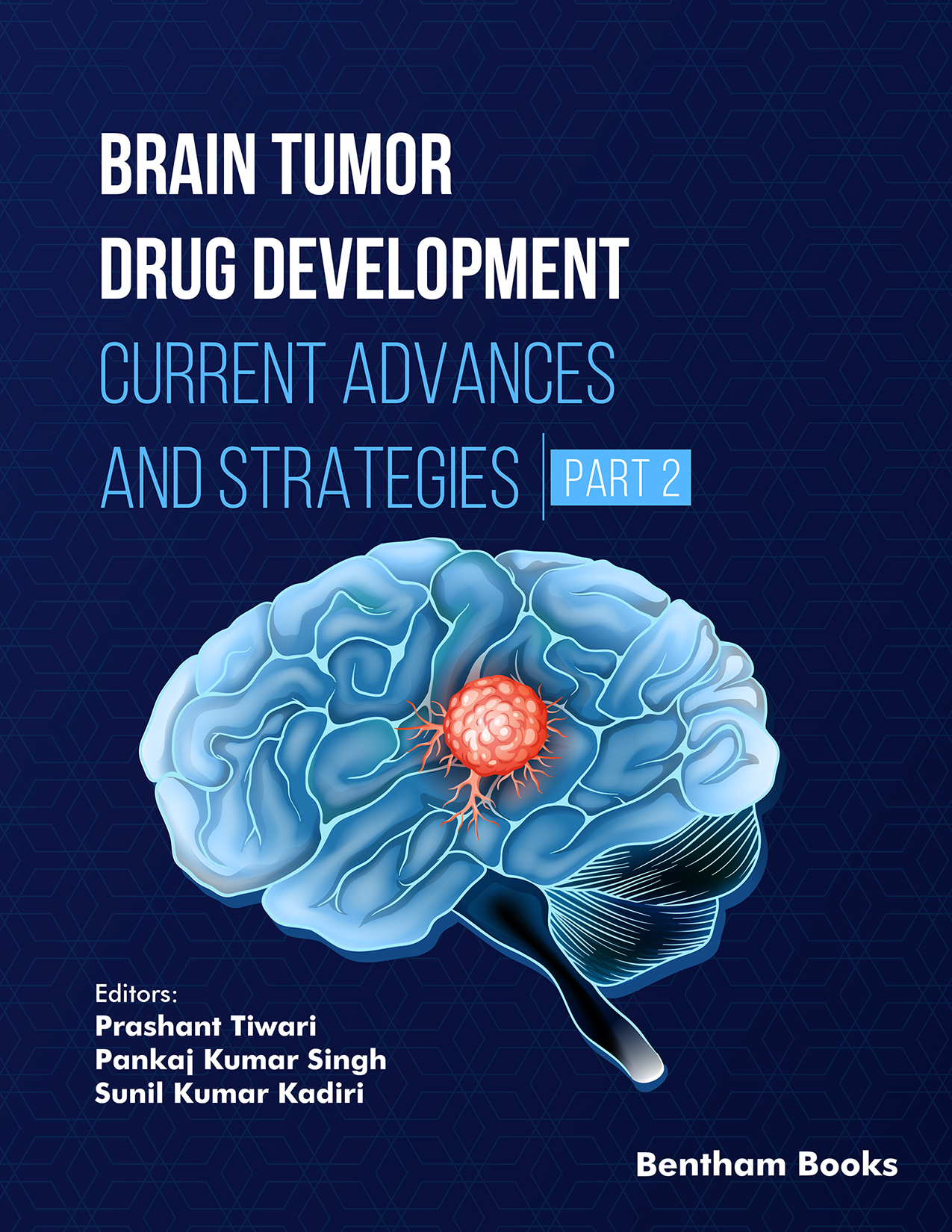
Brain tumors, particularly malignant forms such as glioblastoma multiforme, present formidable challenges in oncology due to their aggressive nature, complex biology, and resistance to conventional therapies. Despite progress in surgical resection, radiotherapy, and chemotherapy, survival rates remain dismal, underscoring the urgent need for innovative drug development strategies. This book addresses the evolving landscape of brain tumor therapeutics, focusing on molecularly targeted agents, immunotherapies, and advanced delivery systems designed to overcome the limitations posed by the blood-brain barrier and tumor heterogeneity.
Recent advances in genomics and proteomics have enabled the identification of actionable molecular targets, such as EGFR amplification, IDH mutations, and MGMT methylation status, which inform the development of personalized treatment regimens. Immunotherapeutic approaches, including checkpoint inhibitors, CAR-T cell therapy, and tumor vaccines, are gaining traction for their potential to harness the immune system against brain tumors. Furthermore, nanotechnology-based drug delivery platforms and focused ultrasound techniques are being explored to enhance therapeutic penetration and precision within the central nervous system.
This compilation brings together contributions from leading researchers, clinicians, and regulatory experts to provide a comprehensive overview of current strategies and future directions in brain tumor drug development. It emphasizes translational research, adaptive clinical trial designs, and the integration of real-world evidence to accelerate the bench-to- bedside transition. The role of pharmacogenomics, biomarker-driven therapy, and combination regimens is also discussed, offering insights into optimizing efficacy while minimizing toxicity.
As the field advances, interdisciplinary collaboration and regulatory harmonization will be essential to translate scientific discoveries into clinically meaningful outcomes. This book aims to serve as a valuable resource for academic investigators, pharmaceutical developers, and healthcare professionals committed to improving the prognosis and quality of life for patients with brain tumors. Through continued innovation and strategic integration of emerging technologies, the future of neuro-oncology holds promise for more effective and personalized therapeutic solutions.
Prashant Tiwari
Department of Pharmacology, College of Pharmaceutical Sciences
Dayananda Sagar University, Bengaluru, Karnataka-560111, India
Pankaj Kumar Singh
Department of Pharmaceutics
National Institute of Pharmaceutical Education and Research (NIPER)
Hyderabad, Telangana-500037, India
&
Sunil Kumar Kadiri
Department of Pharmacology,
College of Pharmaceutical Sciences
Dayananda Sagar University,
Bengaluru, Karnataka-560111, India